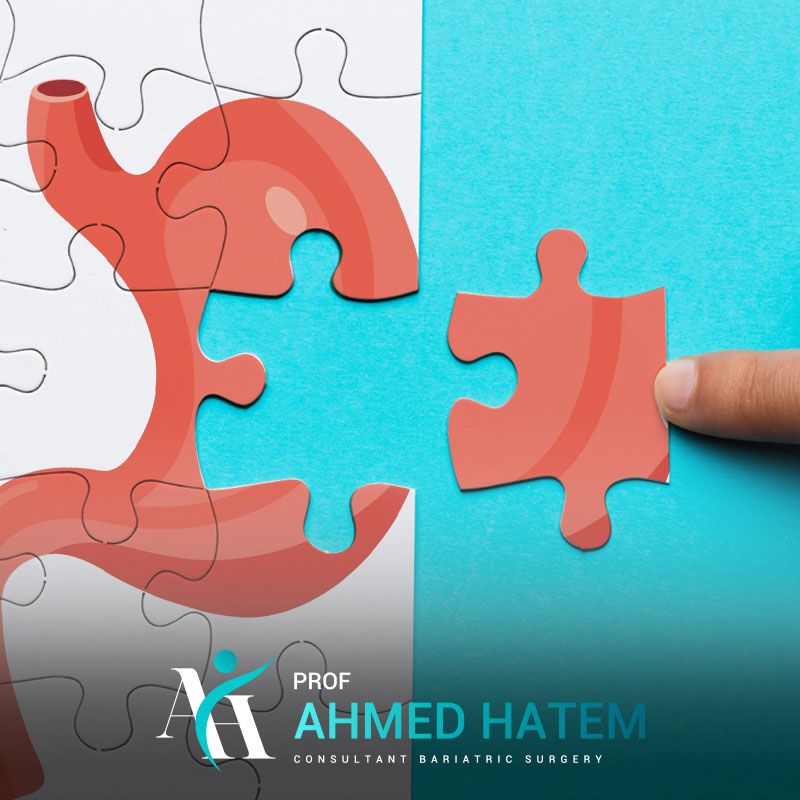
Redo Bariatric Surgeries
Redo bariatric surgeries are weight-loss operations intended for people who have already undergone a surgical bariatric surgery, which has either failed to achieve the desired weight loss and get rid of obesity-related diseases or has led to uncontrollable complications.
This surgery aims to deal with the problem by correcting the steps of the previous operation, cancelling all its steps, or by converting the surgery to another type to ensure that the ideal weight is reached.
When should Redo bariatric surgeries be made?
There are a few patients who have undergone weight loss surgery that may relapse after several years. This may be due to the mischoice of the appropriate bariatric surgery and the inexperience and incompetence of the surgeon that may lead to technically incorrect surgery. These people may benefit from an additional process, called the Redo surgery as mentioned, to help them lose weight again and treat related diseases.
The most important signs of failure of bariatric surgery:
- Failure to lose 50% of the excess weight during the first year of surgery.
- Regain the lost weight.
- Failure to control obesity associated diseases, such as hypertension, diabetes, arteriosclerosis, or sleep apnea.
- Occurrence of post-bariatric surgery complications such as persistent vomiting.
Many different factors may contribute to regaining the lost weight:
- The stomach changes over time and stretches again as the body adapts to the first surgical modifications. This allows consumption of larger food quantities compared to the quantities immediately after the first surgery.
- Behavioral changes or some new stress in patients' lives.
- Stop exercising and failure to comply with post-surgical instructions and advices.
- The desire to benefit from the new technology of bariatric surgeries, which was not available 10 years ago. So some patients undergo a new bariatric surgery that makes it easier for them to lose weight faster.
What are the different options for Redo bariatric surgeries?
Dr. Ahmed Hatem, a consultant of bariatric and laparoscopic surgeries, starts with an upper gastrointestinal tract X-ray, for general evaluation and determination of the appropriate surgical options.
The majority of patients that resort to Redo bariatric surgeries are those who had performed the adjustable silicone band surgery, which was placed around the upper part of the stomach to reduce food intake. This surgery was very common until a few years ago, but because the band has loosened or slipped over time, these patients need additional weight-loss surgery and are good candidates for Gastric Sleeve or Gastric Bypass.
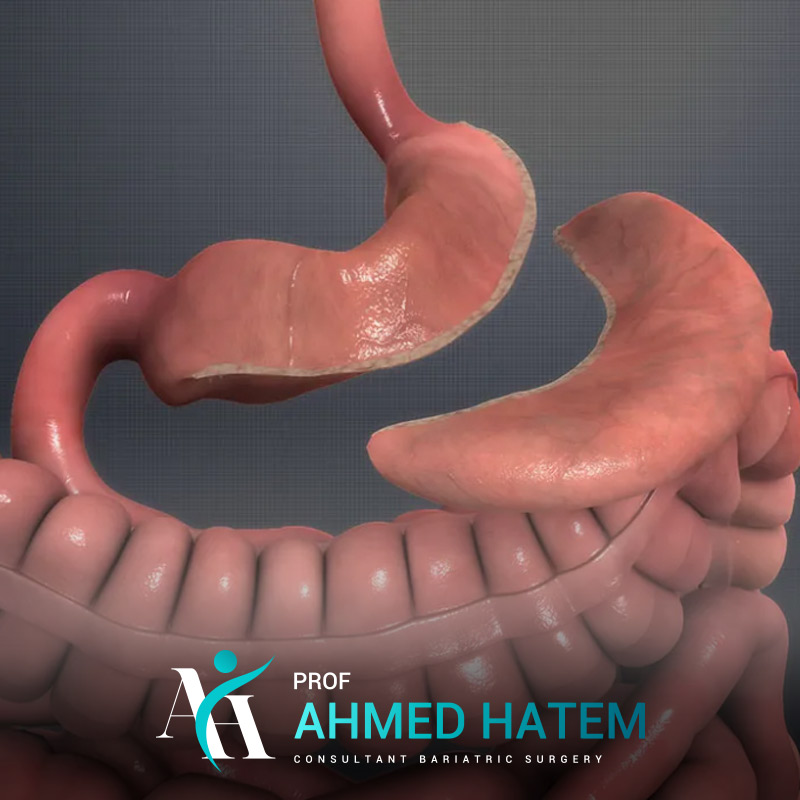
In Gastric Sleeve, the largest part of the stomach is removed by a longitudinal cut of the outer portion, and the stomach is reduced in size to about 20%, leaving the remaining inner portion shaped like a tube. After Gastric Sleeve surgery, patients eat smaller meals due to the small size of their stomach and the change in the hormones that affect their appetite, especially the hunger hormone, due to the removal of cells responsible for its secretion.
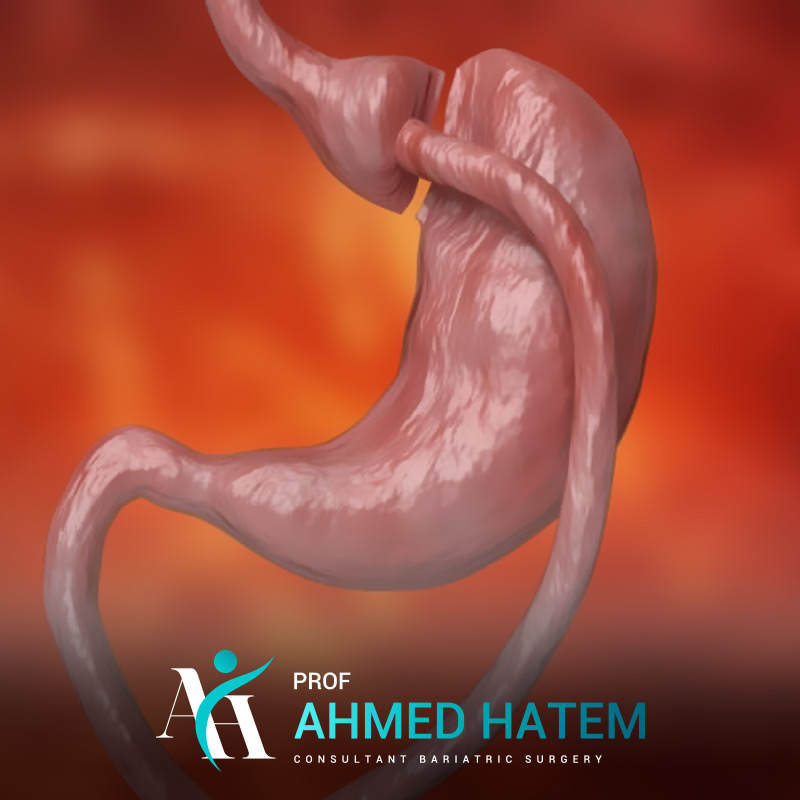
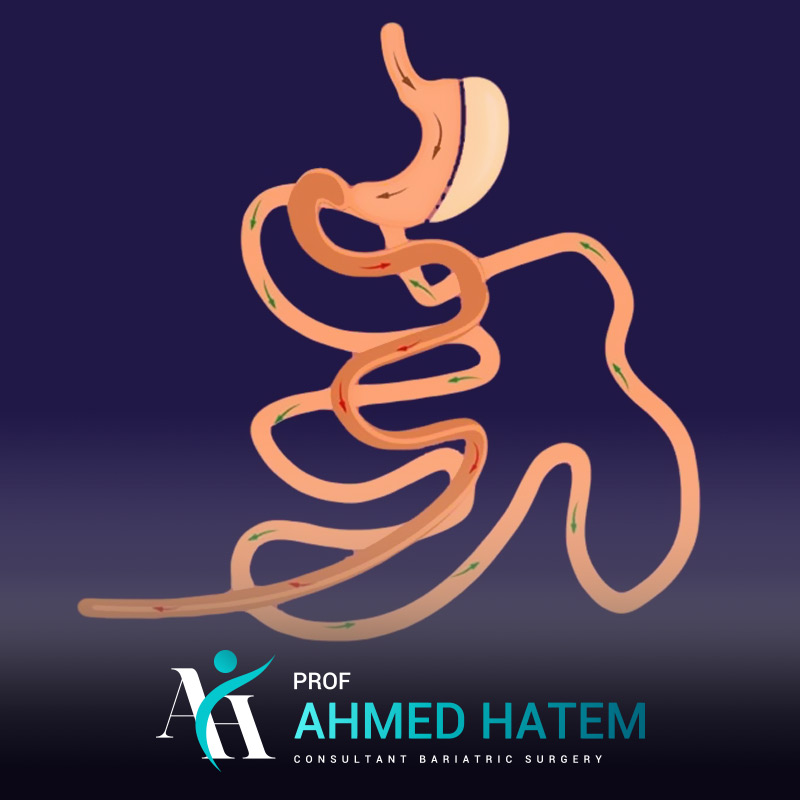
In Gastric Bypass, the stomach is divided into a small upper pocket that is filled with food and a much larger lower part that is bypassed. Then the small intestine is connected to the pocket. The stomach becomes smaller after this operation, also there are hormonal changes that affect appetite. The flow of stomach acids is also redirected away from the esophagus, making the surgery a very effective way to treat GERD. It has also proved to be effective in treating type 2 diabetes due to the reduction of the glucose absorption rate.
How is the appropriate surgery selected for each patient?
Each patient is unique in his or her case. Therefore, the decision to choose the type of Redo bariatric surgery varies from one person to another, which depends on the type of his first surgery and on the general health condition and other diseases he suffers. The selection of the best doctor to perform the Redo bariatric surgery must be very accurate. Dr. Ahmed Hatem is the most experienced and knowledgeable surgeon in bariatric and laparoscopic surgeries, due to his extended experience and success in various complicated cases that were able to achieve ideal weight dream despite all the difficulties.
Redo bariatric surgeries after Gastric Sleeve:
After Gastric Sleeve, the stomach may double in size and expand again in cases of non-compliance with the specified meal amounts, so some patients begin to eat more food and regain the weight they have lost. These cases may benefit from Redo surgeries. They have multiple options such as:
- Gastric Bypass is particularly effective for those who also suffer acid reflux, as Gastric Bypass will reduce reflux and help weight loss again.
- SASI surgery, a combination of Gastric Sleeve and Gastric Bypass, has shown better weight loss results.
- A band may be placed around the sleeved stomach to limit its further expansion.
- In a few cases, part of the stomach that has been enlarged can be re-sleeved and cut back to create a smaller stomach.
Redo bariatric surgeries after Gastric Bypass:
After Gastric Bypass, a few patients may need Redo surgery due to the expansion of the stomach and their inability to lose weight. This can be achieved through one of the following methods:
- Reducing the pocket by stapling, or removing part of it and reducing the size of the passage leading to the intestine, thus restricting the amount of food that the patient can eat.
- Bypassing more of the intestines, so patients absorb fewer calories from the ingested foods.
- Narrowing the connection between the stomach and intestines, making it tighter, and restricting the amount that can be ingested.
What is the recovery time for Redo bariatric surgeries?
Recovery time takes one day or more than the first surgery because the Redo surgeries involve dealing with scar tissue and changing the blood supply. Therefore, the patient stays in the hospital for 2 to 3 days to be closely monitored. But the recovery period at home is close to that of the first surgery. Most patients resume their normal lives and daily activities within 2 weeks.
What are the expected results after Redo bariatric surgeries?
There are great results for Redo bariatric surgeries and multiple success stories for patients of Dr. Ahmed Hatem. They succeeded in obtaining a second healthy start in their lives and sticking to the ideal weight dream again through this surgery.
Why Dr. Ahmed Hatem is a distinguished doctor in Redo bariatric surgeries?
It is important to consult Dr. Ahmed Hatem, who has extensive experience in Redo bariatric surgeries to correct failed surgeries performed by other surgeons. So he can help you regain your dream of getting rid of obesity and associated diseases and improving your daily quality of life.